


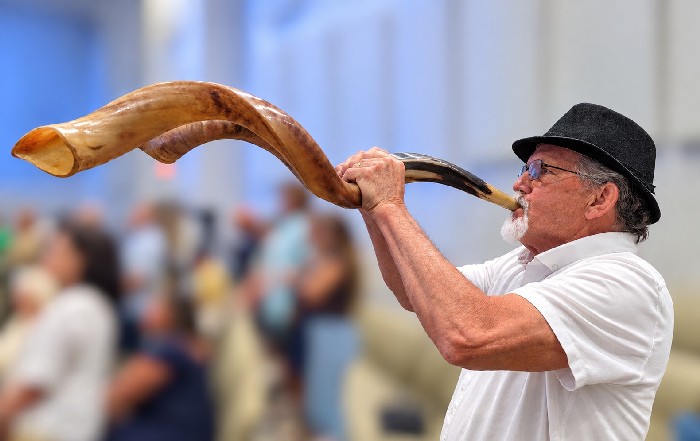
As October arrives, many people think of the changing season. But for the Jewish people, this time of year brings a much deeper spiritual meaning. It is a season of reflection, repentance and renewal—marked by the feast of trumpets celebrated in September with the ancient sound of the Shofar, a trumpet traditionally made from a ram’s horn or a triple twist Yemenite horn from an African antelope known as a Kudu.
The shofar is one of the oldest musical instruments known to humanity. Unlike a modern trumpet, it has no valves, keys or complicated mechanisms. A person sounds into the hollowed-out horn, producing a powerful, unmistakable tone that can be heard from a great distance.
Ray Cyr at Studio 237 Music Lessons has nine years’ experience teaching the sounding of the Shofar playing on one or two at the same time using the same breath to reach 5 to 7 notes depending on the quality of the horn or the experience of the sounder. He also provides the horn for purchase.
The use of the shofar reaches back to biblical times, when it served both practical and spiritual purposes. It was used to:
- call people together for a gathering or sacred assembly;
- signal an important moment in the life of the community;
- proclaim a warning or call for attention; and
- celebrate victory, deliverance or other significant events.
One of the most famous biblical associations with the shofar occurs in the story of Abraham and Isaac, where a ram becomes the substitute sacrifice. Because the ram’s horn comes from this animal, the shofar eventually became strongly associated with remembrance, sacrifice and God’s provision. 1Corinthians 15, Exodus 19, Isaiah 27, Leviticus 25.
The shofar has a particularly important role in the Feast of Trumpets, known in Hebrew as Yom Teruah. The biblical book of Leviticus describes this day as a memorial marked by the blowing of trumpets. In Jewish tradition, it became associated with Rosh Hashanah, the beginning of the Jewish civil year.
The sound of the shofar on Rosh Hashanah is much more than a musical performance. It is considered a spiritual wake-up call: a reminder to stop, listen and examine one’s life. Its piercing sound calls people to remember God, turn away from wrongdoing and begin the new year with a renewed heart.
The shofar’s message continues into the Ten Days of Repentance, which culminate in Yom Kippur, the Day of Atonement. While the Feast of Trumpets begins the season, Yom Kippur brings it to its solemn conclusion.
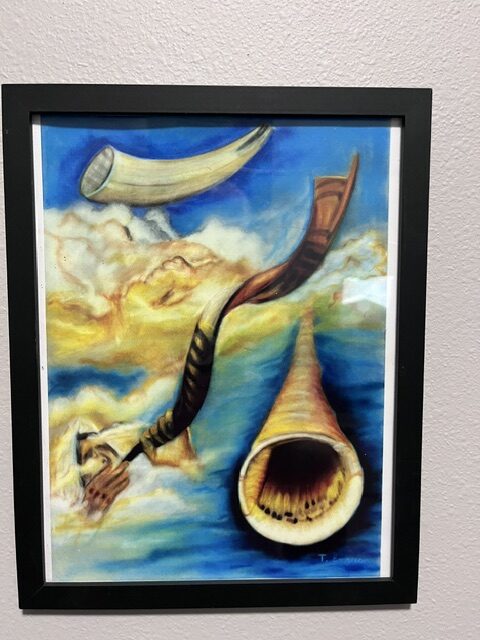
Yom Kippur is traditionally observed as a day of fasting, prayer, repentance and seeking forgiveness. It is a time to consider relationships with God and with other people, to acknowledge mistakes and to seek reconciliation.
At the conclusion of Yom Kippur, the shofar is traditionally sounded one final time. That single, long blast represents the end of the sacred day and the closing of this period of repentance.
For Christians, these biblical traditions can also provide an opportunity for reflection. The themes of repentance, forgiveness, reconciliation and spiritual renewal are found throughout Scripture. The shofar’s ancient call can serve as a reminder that every person has moments when it is necessary to pause, listen and consider the direction of his or her life.
Perhaps that is one reason the sound of the shofar remains so powerful after thousands of years. It is not merely the sound of an ancient instrument, it is a call.
- A call to wake up.
- A call to remember.
- A call to examine our hearts.
- A call to make peace where peace is needed.
- And ultimately, a call to return.
As October brings the Jewish season of the Feast of Trumpets and Yom Kippur into our awareness, the ancient sound of the shofar offers a timeless message: sometimes the most important thing we can do is stop, amid the noise of everyday life, listen carefully, and allow ourselves to be called toward renewal.