


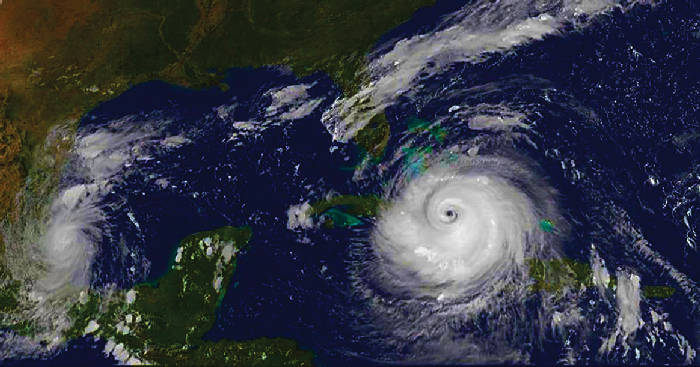
An average Atlantic hurricane season produces 14 named storms, seven hurricanes and three major hurricanes, according to long-term climate averages from the National Oceanic and Atmospheric Administration (NOAA). The 2025 season continued a trend of above-average activity across the Atlantic Basin and Gulf Coast, reinforcing the importance of storm preparedness for coastal communities.
The 2026 Atlantic hurricane season began June 1 and runs through Nov. 30. Early forecasts from NOAA and the National Hurricane Center project 13 to 19 named storms, including six to 10 hurricanes and three to five major hurricanes of Category 3 strength or higher.
It’s not a matter of if, but when the next hurricane will impact Florida, making preparation essential throughout the six-month season. Whether you’re a longtime Floridian or new to the state, having a plan in place is one of the best ways to stay safe.
Hurricane Emergency Plan
- Determine whether your home or business is in a flood or evacuation zone, review evacuation routes and identify a backup power source or relocation plan if a storm warning is issued.
- Keep your gas tank at least half full throughout hurricane season. Electric vehicle owners should maintain a charge between 50% and 80% whenever possible.
- Contact Walton County Emergency Management if you or someone you know has special medical needs and apply for FPL’s Medically Essential Service designation if anyone in your home depends on electric-powered medical equipment.
Hurricane Emergency Kit
- Stock nonperishable food, bottled water, flashlights, batteries, medications, a first-aid kit, phone chargers, power banks and a waterproof container for important documents.
- Include insurance policies, health cards, birth certificates, Social Security cards, emergency contact information and a recent copy of your FPL bill.
Prepare Your Home
- Install approved hurricane shutters or alternate coverings such as plywood over windows and doors.
- Bring patio furniture and outdoor items indoors, secure doors and windows and move valuables away from windows or cover them with plastic.
- Unplug unnecessary electronics, including pool equipment, and set refrigerators and freezers to their coldest settings to help preserve food during outages.
- Never trim trees or vegetation near power lines yourself. Hire qualified professionals and visit FPL.com/trees for information about FPL’s tree-trimming policies.
- Before using ladders or scaffolding, identify nearby power lines and stay at least 10 feet away from them with both equipment and tools.
After the Storm
- Follow all manufacturer instructions when using portable generators. Operate generators outdoors only and connect appliances directly to the generator. Never connect a generator directly to your home’s breaker or fuse box.
- Stay far away from downed power lines and avoid flooded or debris-covered areas where power lines may be hidden.
Stay Informed
- Bookmark FPL.com and save 1-800-4-OUTAGE (1-800-468-8243) to report outages and check restoration status.
- Follow local news and @insideFPL for updates and safety information. Additional storm-preparedness resources are available at FPL.com/storm.
- Sign up for local alerts and updates at www.mywaltonfl.gov/1063/Emergency-Management and follow www.facebook.com/WaltonCountyEM for timely storm information.